

Changing The Landscape of Mental Health
It's All About The Family
Our Purpose
When a loved one faces mental health struggles, families are routinely pushed to the sidelines—treated like bystanders rather than essential partners and leaders. You are left in the dark, denied answers, kept vulnerable, and your experiences and voices are silenced. In physical health, if a loved one goes to the hospital, the family is right there in the room making decisions with the team. At Team Be Better;, everything we do is rooted in Family Systems Theory—we make mental healthcare just as family-centered as physical healthcare.
At Team Be Better;, we refuse to let families be ignored.
We exist to shatter the silence, break down closed doors, and force a broken system to recognize what has always been true: the family is the cornerstone of well-being. We fight to ensure mental healthcare becomes just as family-centered, transparent, and respectful as physical healthcare.
Our Mission
What We Fight For: To make mental healthcare as family-centered as physical healthcare.
How We Drive Action: Rooted in Family Systems Theory, we Stand with families, Hold them up, Equip them and their care circle with education and tracking tools, build their Leverage, and position them to Lead—transforming households into safe anchors so most of the families we support never need outside clinical care.
Our Vision
A future where mental healthcare is fully family-centered, and every household has the protective shield, tools, and voice to lead their loved one's care circle—at home or in the system.

How We Drive Change: Our 4 Pillars
Protected by the SHELL
The healthcare system often leaves families exposed, isolated, and defenseless. At Team Be Better;, our turtle logo represents the protective shield we build around your household:

1. STAND WITH & HOLD UP
Unwavering Support in the Fight
We walk side-by-side with you, providing immediate grounding, consultation, and continuous backing so your family and care circle are never alone.
3. LEVERAGE
Tactical Voice the System Can't Ignore
We equip you with insider knowledge, parental rights, and systemic pressure points. By building your tactical leverage, we ensure your family’s voice is heard, respected, and never excluded from critical decision-making—whether at home or in clinical settings
2. EQUIP
Tools and Knowledge that Drive Action
Knowledge is authority. We train families, coaches, and allies on best practices, translating complex mental health concepts into practical insights. Through consultations, education, and progress tracking tools, we empower you to guide recovery right from home.
4. LEAD
Taking Your Place at the Head of Care
Whether managing care at home or navigating healthcare providers, you belong at the front. We position your family as the authoritative lead of your loved one’s care circle—ensuring all goals, plans, and tracking are driven by those who know them best.
Ian's Journey Is Why We Fight
After our son Ian, a University of Michigan swimmer, died by suicide in 2020, we (Steve and Jill Miskelley) created Team Be Better;. Our organization was born out of firsthand experience with a system that failed to include the support network when it mattered most. We know the exhaustion of not knowing what to ask, what to demand, or how to make anyone listen.
Ian was a student, a brother, a nephew, and a friend who bravely fought mental illness for most of his life.
Mental illness can affect anyone. There are no exceptions, no warnings, and it's cruel and unfair. Mental illness is not a character flaw or a weakness.
We are all stronger together, and team support is crucial for mental health and wellness. With TEAM BE BETTER; you and your family are never alone. It's all about the TEAM. It's all about the FAMILY.
We are changing the landscape of mental health care so no other family is forced to feel helpless. By uniting families and clinicians into one transparent care unit, we close the gaps where people fall through and build a healthcare landscape that honors the whole family.

Our Team
Team Be Better; is supported by a Board of Directors who bring personal experience with mental health and suicide loss, event planning, fundraising and development, and marketing.

Steve Miskelley
Founder, President | Survivor of Suicide Loss (child)

Jill Miskelley
Founder, Director/President of the Board | Survivor of Suicide Loss (child)

Dr. Michael Brashears, Psy.D
Director of Family Engagement and Network Development | Survivor of Suicide Loss (spouse)
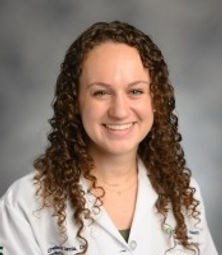
Dr. Chelsea Garcia, DO
Medical Professional, Board Vice President | Survivor of Suicide Loss (Sibling)

Rebecca Olson

Lynn DeNave
Director of Marketing & Communication | Survivor of Suicide Loss (parent)

Dennis Klein
Board Treasurer

Randy Beute
Board Member
Board Secretary

Ed DeNave
Board Member

Todd Adams
Board Member


